



The Ekiti State Government said it has stepped up disease surveillance and rapid response across its 16 local government areas to prevent outbreaks of Ebola Virus Disease and diphtheria, the state health ministry told reporters during a one-day sensitisation programme in Ado Ekiti.
The information was given by the Commissioner for Health and Human Services, Dr Oyebanji Filani, who spoke at the event through the ministry’s Permanent Secretary, Mrs Olusola Gbenga-Igotun. The sensitisation brought together community and religious leaders, market leaders, transport representatives, artisans and the media, the ministry said.
Ekiti’s state epidemiologist, Dr Bosede Alowooye, said the World Health Organisation had declared Ebola a Public Health Emergency of International Concern, and that “all countries need to be on alert.” She said the state’s public health emergency operation centre had been activated to ensure early detection, prompt reporting and effective containment of any suspected case.
Alowooye outlined measures the state has taken. She said health workers, disease surveillance structures and community informants have been sensitised on the signs and symptoms of Ebola and how to report suspected cases. She added that airport staff in Ekiti had been trained to detect passengers who might present with sudden fever and had been supplied with thermometers, sanitisers and other educational materials.
On clinical preparedness, Alowooye said the case management team of doctors and nurses had been trained to care for any Ebola patient, and that nurses had received instruction on detection, prevention and control. She also said the state had bought personal protective equipment, including gloves and gowns, together with sanitisers and sample collection materials.
The epidemiologist listed symptoms of Ebola to include “muscle pain, headache, stomach ache, vomiting, sudden high fever, difficulty in breathing and skin rash,” and advised residents to maintain proper hand hygiene, observe personal hygiene and promptly report suspected cases to health authorities.
Dr Charles Doherty, General Manager of the Ekiti State Health Insurance Scheme and the pillar lead for Ebola risk communication, said the government was sensitising residents “to inform them about the causes and most especially the prevention because prevention is better than cure.” He urged people to report fevers that did not respond to two or three days of treatment and to identify and inform relevant government agencies when they notice unusual symptoms in their communities.
Doherty also asked residents who had travelled to countries with reported outbreaks, including Uganda, the Democratic Republic of Congo and Rwanda, to report to health authorities and seek medical attention where necessary. He appealed to the public to cooperate with health workers when they seek information or call for cooperation.
Speaking on diphtheria, the Secretary of the Nigerian Red Cross Society, Ekiti State Chapter, Mr Atah Adegboyega, described the disease as “deadly, but preventable.” He said routine immunisation of children and uptake of recommended vaccinations remain important measures for preventing the disease.
The commissioner praised Governor Biodun Oyebanji for his commitment to improving healthcare delivery and the wellbeing of residents, according to the ministry’s account of the event.
State officials said the sensitisation programme forms part of broader efforts to strengthen prevention, early detection and prompt reporting across Ekiti.
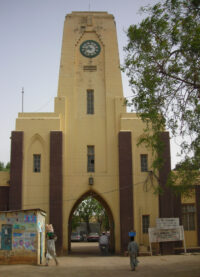
Featured image: Favouridowu via Wikimedia Commons, CC BY-SA 4.0.







Leave a comment