


According to BusinessDay, the Debt Management Office said in its public debt portfolio report that Nigeria’s total public debt stock stood at N166.79 trillion as of June 30, 2026, an increase of N14.39 trillion over the year.
According to the DMO, the debt stock had climbed by 9.4 percent from N152.4 trillion at the end of June 2025. The report showed it was N7.44 trillion higher, or 4.7 percent up on the N159.35 trillion recorded at the end of the first quarter of 2026. (See full report: BusinessDay.)
The increase was driven largely by domestic borrowing, the DMO said. As of June 30, 2026, domestic debt stood at N91.59 trillion, representing 54.91 percent of total public debt. External debt was N75.2 trillion, or 45.09 percent of the total.
Year on year, the DMO reported domestic debt rose by N11.04 trillion, a 13.7 percent increase from N80.55 trillion in June 2025. External debt increased by N3.35 trillion, a 4.7 percent rise from N71.85 trillion over the same period.
The federal government remained the largest debtor and accounted for N152.77 trillion of the total public debt stock. The DMO said that of that amount, N86.99 trillion constituted domestic debt, while N65.77 trillion represented external debt.
States and the Federal Capital Territory together held N14.01 trillion of the debt stock. The report showed those holdings included N4.59 trillion in domestic obligations and N9.42 trillion in external liabilities.
The DMO put Nigeria’s total public debt at $120.93 billion as of June 30, 2026, an increase from $99.66 billion a year earlier. According to the office, the dollar figures capture both changes in the debt stock and the exchange rate used to convert the external component into naira.
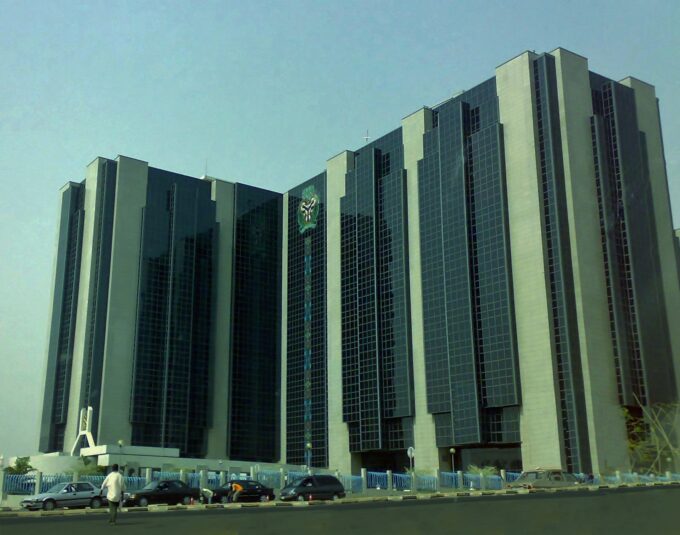
The report said that to convert external obligations into naira, the DMO used the Central Bank of Nigeria official exchange rate of N1,379 to the dollar as of June 30, 2026.












Leave a comment