


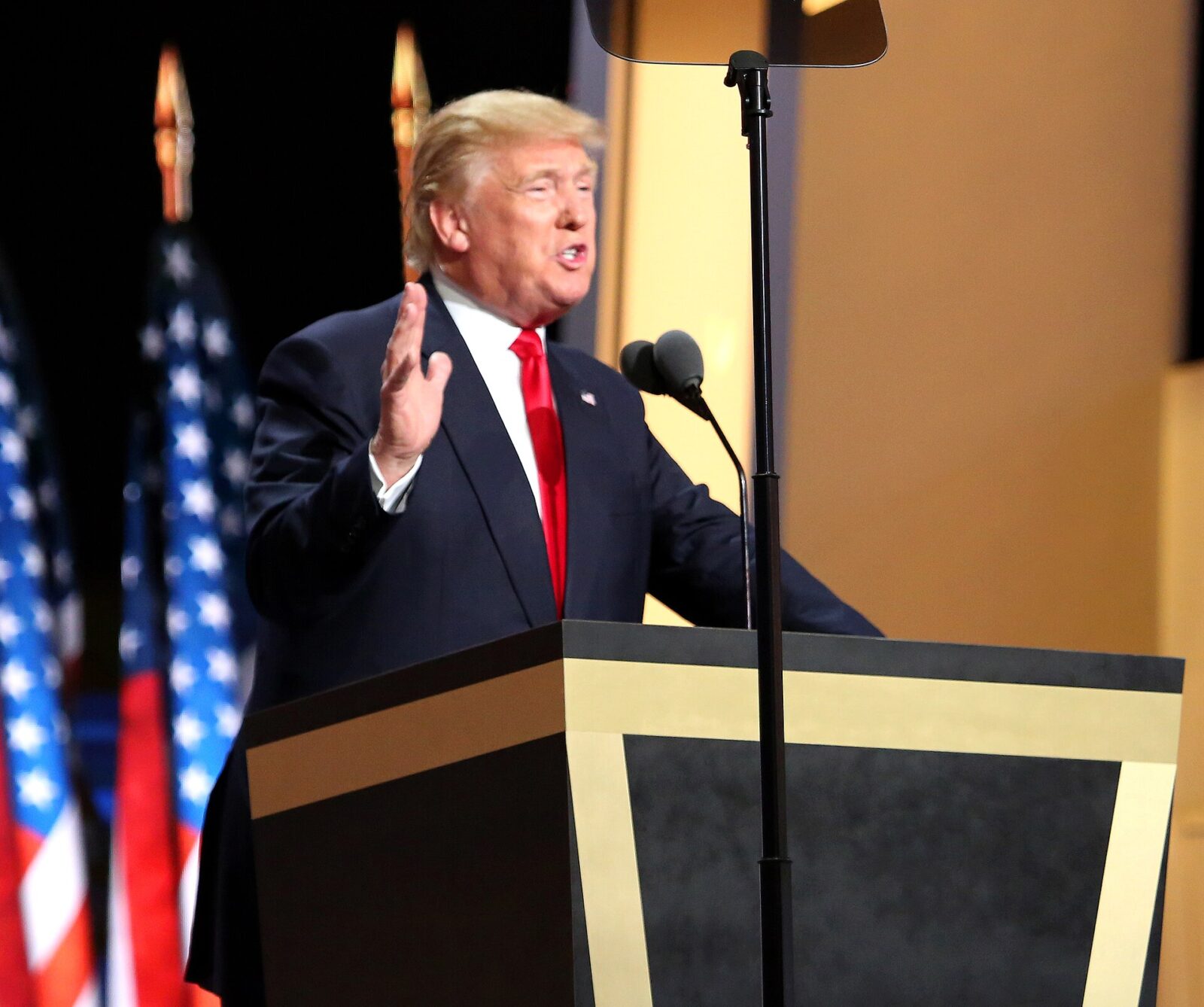
US President Donald Trump has rejected a seven-day proposal from Iran to end hostilities and reopen the Strait of Hormuz, saying on Saturday the terms would be unacceptable because Tehran is “losing so badly”, Al Jazeera reported.
The proposal, presented by Iran, would have required Washington to lift its naval blockade of Iranian ports, waive sanctions on Iranian oil sales, release an estimated $12bn in frozen Iranian assets and observe a wider regional ceasefire, including in Lebanon and Yemen, before Iran reopened the strait and began negotiations on a final accord, the report said.
Iranian Foreign Minister Abbas Araghchi told mediators his government had “seen the initial reaction from [Trump] to its proposal but had yet to receive a response through mediators”, according to Al Jazeera. Qatar has been reported to play a role in mediating direct contacts between Tehran and Washington on the sidelines of the United Nations General Assembly in New York.
Experts quoted by Al Jazeera said Trump appears to believe sustaining pressure will produce better terms. Andreas Krieg, associate professor at King’s College London, was cited saying Trump thinks the combination of a naval blockade and economic isolation is “finally squeezing Iran hard enough” and that Tehran’s proposal is evidence of weakness rather than an offer Washington needs to accept.
Al Jazeera reported that the latest offer resembled a June memorandum of understanding between the two governments that collapsed last month over differences on terms. The collapse preceded an escalation in attacks, particularly in and around the Strait of Hormuz, which the report described as remaining effectively under Iranian blockade.
The US has stepped up pressure on Iran in recent weeks, the article said, tightening its naval blockade, imposing sanctions aimed at Iranian oil revenues and, last week, adding aviation sanctions that disrupted flights. The US Treasury secretary, Scott Bessent, was reported to have announced a campaign to target Tehran’s financial interests worldwide.
Richard Weitz, a senior nonresident associate fellow at the NATO Defence College, told Al Jazeera the White House may calculate it can “wait a bit and get better terms” and that economic pressure over time could push Iran to make further concessions. But analysts warned the strategy carries risks.
Mohamad Elmasry, a professor at the Doha Institute for Graduate Studies, was quoted as saying Iran’s proposal could be “kind of throwing a bone to Trump” ahead of US midterm elections, but that Tehran might instead “make Trump pay for declining the proposal” by escalating. Al Jazeera also cited a Reuters/Ipsos poll suggesting 63 percent of Americans opposed a US-Israel war on Iran, a factor analysts said could affect domestic politics and energy prices if the standoff continues.
Featured image: Ali Shaker/VOA via Wikimedia Commons, Public domain.













Leave a comment