


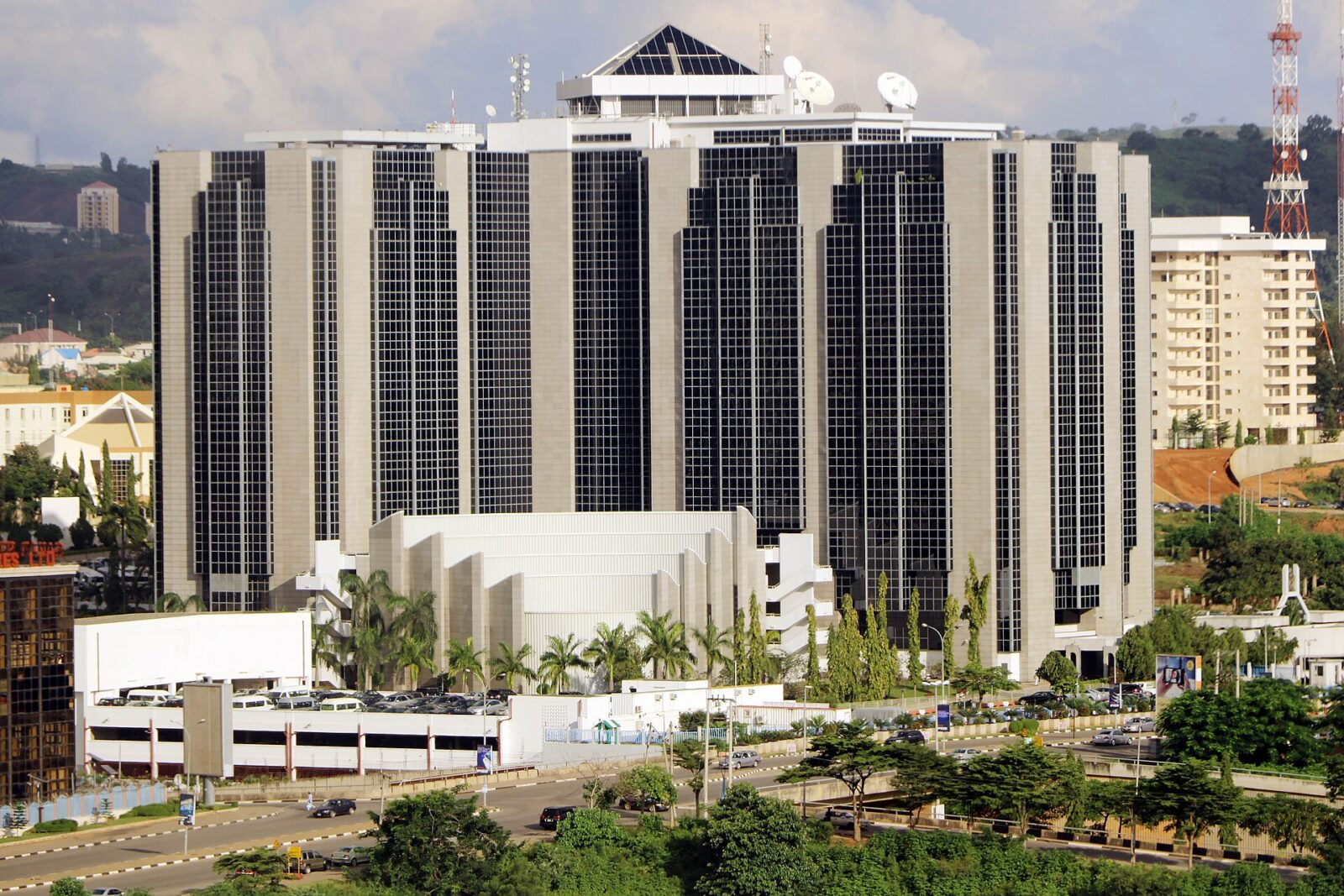
Nairametrics has warned the Central Bank of Nigeria could see system liquidity swell by as much as N8.57 trillion this week, driven by maturing Open Market Operations bills and bond coupon payments.
The analysis, published on September 27, 2026, said the potential injection would follow an already strong net liquidity position of N5.98 trillion in the week ended September 25, up from N2.86 trillion the prior week, based on the CBN’s financial data reviewed by the outlet. (Nairametrics)
Nairametrics estimated the additional cash would come from about N2.43 trillion in OMO maturities scheduled this week and roughly N164 billion in bond coupon payments, bringing the combined potential injection to N2.594 trillion. If retained in the system, that sum would lift net liquidity to around N8.57 trillion. (Nairametrics)
The outlet also reported banks placed more than N7 trillion at the CBN’s Standing Deposit Facility during the past week, a sign of abundant surplus cash in the system. Nairametrics said the banking system had already received roughly N2.3 trillion from OMO repayments on September 22, contributing to the larger liquidity stock. (Nairametrics)
The size of the inflows comes after the Central Bank’s Monetary Policy Committee cut the Monetary Policy Rate by 350 basis points to 23% at its September 22, 2026 meeting, a decision recorded in the CBN’s policy action. Nairametrics said the policy easing and the liquidity build pushed money-market rates lower. (Nairametrics)
According to Nairametrics, the overnight rate fell 147 basis points week-on-week to 20.77%, and the funding rate declined 160 basis points to 20.40%. The outlet added that the average Nigerian Treasury Bill yield contracted to 17.89% following the repricing in the secondary market. (Nairametrics)
Nairametrics gave details of recent debt market activity. It said the Debt Management Office offered N500 billion at an NTB auction that attracted N4.2 trillion in subscriptions and allotted N497 billion, with stop rates at 15.50% for the 91-day, 15.80% for the 182-day and 15.89% for the 364-day bill. The outlet also reported an OMO auction on September 24 where N1 trillion was offered, N6.1 trillion subscribed and N2.3 trillion allotted, with no allotment for the 68-day instrument and the 152-day and 180-day bills clearing at 17.29% and 16.99% respectively. (Nairametrics)
Nairametrics said the potential N8.57 trillion position would be among the highest this year and would test how aggressively the CBN conducts sterilisation through further OMO sales to manage liquidity under its more accommodative policy stance. (Nairametrics)
Featured image: GodwinPaya via Wikimedia Commons, CC BY-SA 4.0.












Leave a comment