
Pregnancy-induced hypertension, if not detected and managed, can cause serious harm to both mother and baby, a consultant obstetrician has warned.
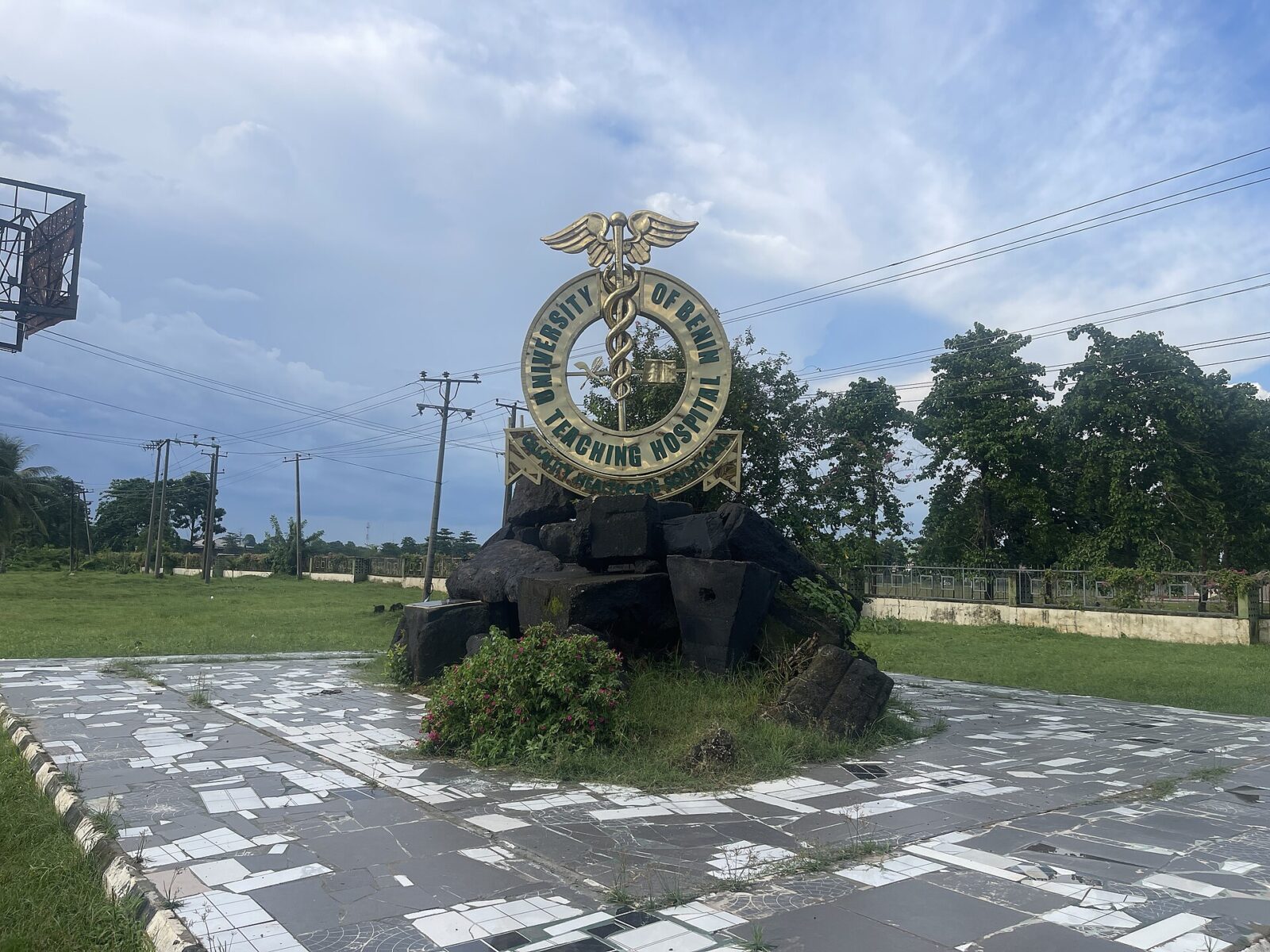
Lewis Aituma, a Consultant Obstetrician and Gynaecologist at the University of Benin Teaching Hospital, told Premium Times that high blood pressure developing during pregnancy, usually after the first half of pregnancy, can progress to more severe disorders such as pre-eclampsia and eclampsia. He said the condition remains a major contributor to poor pregnancy outcomes.
The warning follows a 2024 multi-centre study in Nigeria that examined 71,758 women across 54 referral-level health facilities and reported that 6.4 per cent of pregnancies were affected by hypertensive disorders of pregnancy. The study, as reported by Premium Times, found that gestational hypertension made up 49.8 per cent of cases, pre-eclampsia accounted for 9.5 per cent and eclampsia for seven per cent. The researchers also reported that 11.9 per cent of pregnancies affected by hypertensive disorders ended in stillbirth, and 3.7 per cent of women with the disorders died. (Premium Times)
Aituma listed several factors that can increase a woman’s risk of pregnancy-induced hypertension, including a previous episode of PIH, first pregnancy, age above 35 years, diabetes, kidney disease, a long interval between pregnancies, family history of hypertension, multiple pregnancy and obesity. He said the Nigerian study also associated higher odds of hypertensive disorders with women who had never given birth, those with several previous births, and those with a history of caesarean section or miscarriage. (Premium Times)
Pregnant women are advised to attend routine antenatal checks and to monitor their blood pressure, because some women with pregnancy-related hypertension may show no symptoms. Aituma told Premium Times that persistent headaches, blurred vision, a feeling of abnormal heartbeat, chest pain and rapidly increasing swelling of the legs should prompt immediate medical review. “Such symptoms should warrant an emergency presentation to the Obstetrician for expert evaluation and management,” he said. (Premium Times)
The World Health Organization recommends monitoring blood pressure during pregnancy, because early detection and treatment of hypertensive disorders can help prevent serious complications. WHO also advises close monitoring, blood pressure treatment and timely delivery when required, depending on severity and gestational age, Premium Times reported. (Premium Times)
On management, Aituma said treatment depends on the severity and the pregnancy stage. For milder cases, efforts focus on blood pressure control and preventing complications until delivery. “For less severe forms, effort will be geared to blood pressure control and prevention of complications till the pregnancy is delivered,” he said. For severe disease clinicians aim to control blood pressure, prevent seizures and deliver the baby when necessary. (Premium Times)
Aituma advised lifestyle measures to reduce risk, including maintaining a healthy weight, regular exercise, appropriate lifestyle changes and keeping up antenatal appointments. He said prognosis is generally good when disease is detected early. (Premium Times)
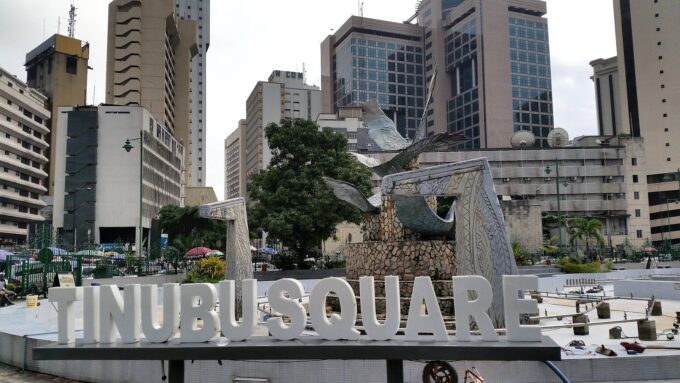
Featured image: Hackesan via Wikimedia Commons, CC BY-SA 4.0.







Leave a comment