


A trader in Onitsha, a nurse in Accra and a manufacturer in Nairobi rarely think about the systems that move money when they sell goods, receive salaries or pay suppliers. Yet the speed and cost of that movement shapes whether those transactions happen on time and at what price.
BusinessDay reported that Access Holdings described this unseen network as a form of infrastructure that underpins economic activity across Africa. The company said it processed 2.8 billion transactions across its network in 2025, a volume it linked to wages paid, suppliers settled, school fees transferred, businesses financed and families supported (BusinessDay).
Access’s operations extend beyond traditional banking, the report said. The financial holding company coordinates five specialised operating businesses: Access Bank for banking and trade, Hydrogen Payment Services for payment infrastructure, Access Pensions for long-term savings, Oxygen X Finance for digital consumer lending and Access Insurance Brokers for risk protection. BusinessDay said this ecosystem lets the group follow customers through different stages of their financial lives (BusinessDay).
The group’s reach is regional, the report added. BusinessDay quoted Access as serving more than 60 million customers across 25 countries and three continents, and said the network links activity in markets including Nigeria, Ghana, Kenya, Rwanda, Zambia, Mozambique and Angola. The piece connected that reach to the broader project of regional economic integration under the African Continental Free Trade Area, arguing that efficient cross-border payments are essential if companies in Lagos and Accra, or Nairobi and Kampala, are to trade easily (BusinessDay).
BusinessDay highlighted how payment rails can be an entry point to formal finance. The report said Access’s network brought 2.53 million low-income Africans into the formal financial system and onboarded 78,438 micro, small and medium enterprises onto financing platforms in 2025, numbers the company presented as part of its role in widening access to savings and credit (BusinessDay).
Faster, more reliable clearing has practical effects, the article noted. When payments clear quickly, businesses can settle suppliers, workers receive wages and households meet obligations without the delays associated with older systems, the report said. At scale, BusinessDay wrote, small improvements in payment reliability can accumulate into wider economic effects, because each successful payment connects to an underlying purchase, wage or transfer (BusinessDay).
The piece also described resilience gained from scale. BusinessDay said Access’s spread across multiple economies and business lines reduces concentration in any single market, allowing its network to continue supporting customers despite currency movements or changing economic conditions. For users, that resilience shows up simply as whether a payment goes through or a salary arrives when expected (BusinessDay).
As Africa digitises and seeks to deepen regional trade, BusinessDay reported, this invisible infrastructure will increasingly shape how people and businesses participate in the economy (BusinessDay).
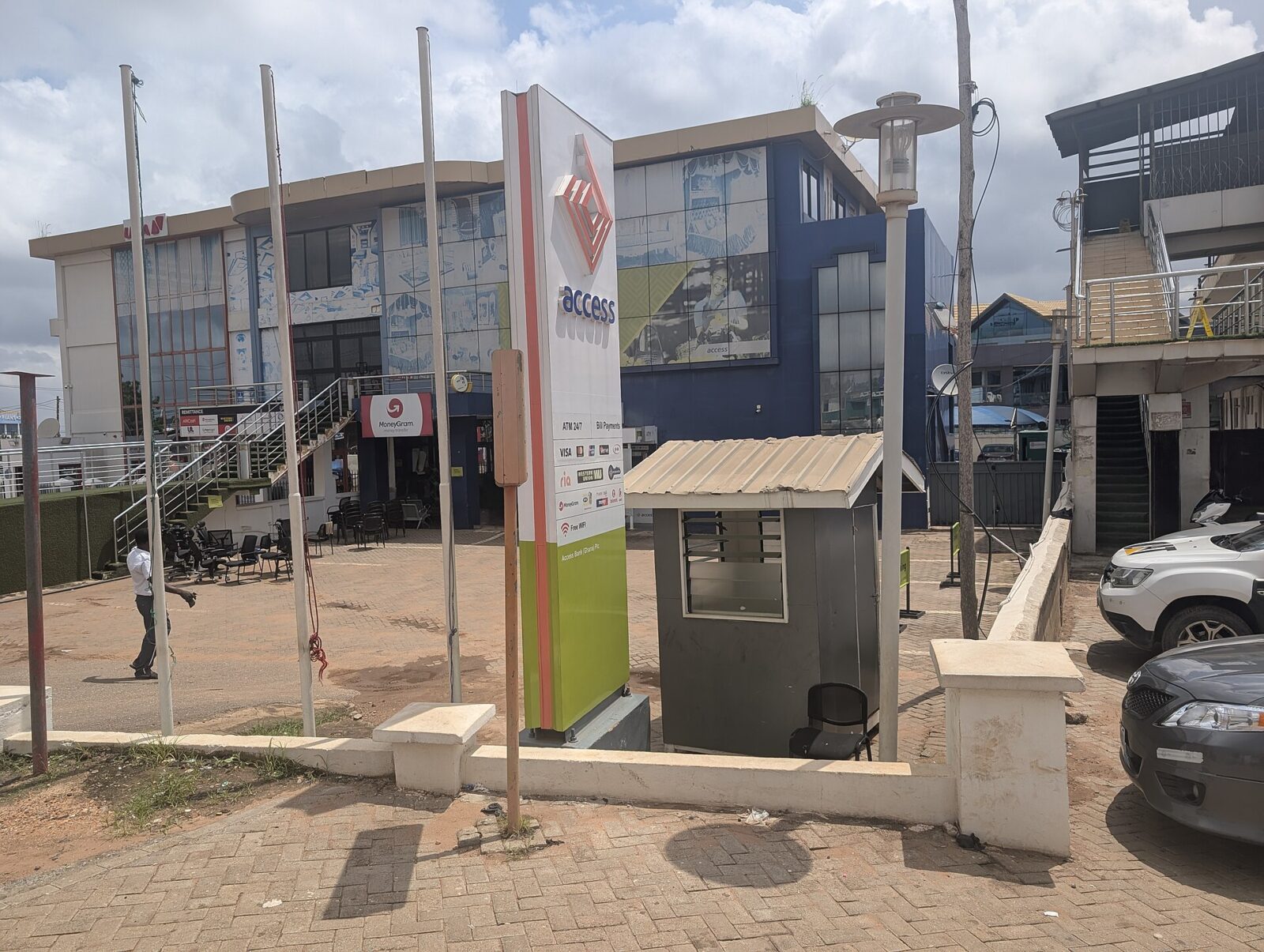
Featured image: Pre-inz via Wikimedia Commons, CC BY-SA 3.0.













Leave a comment