


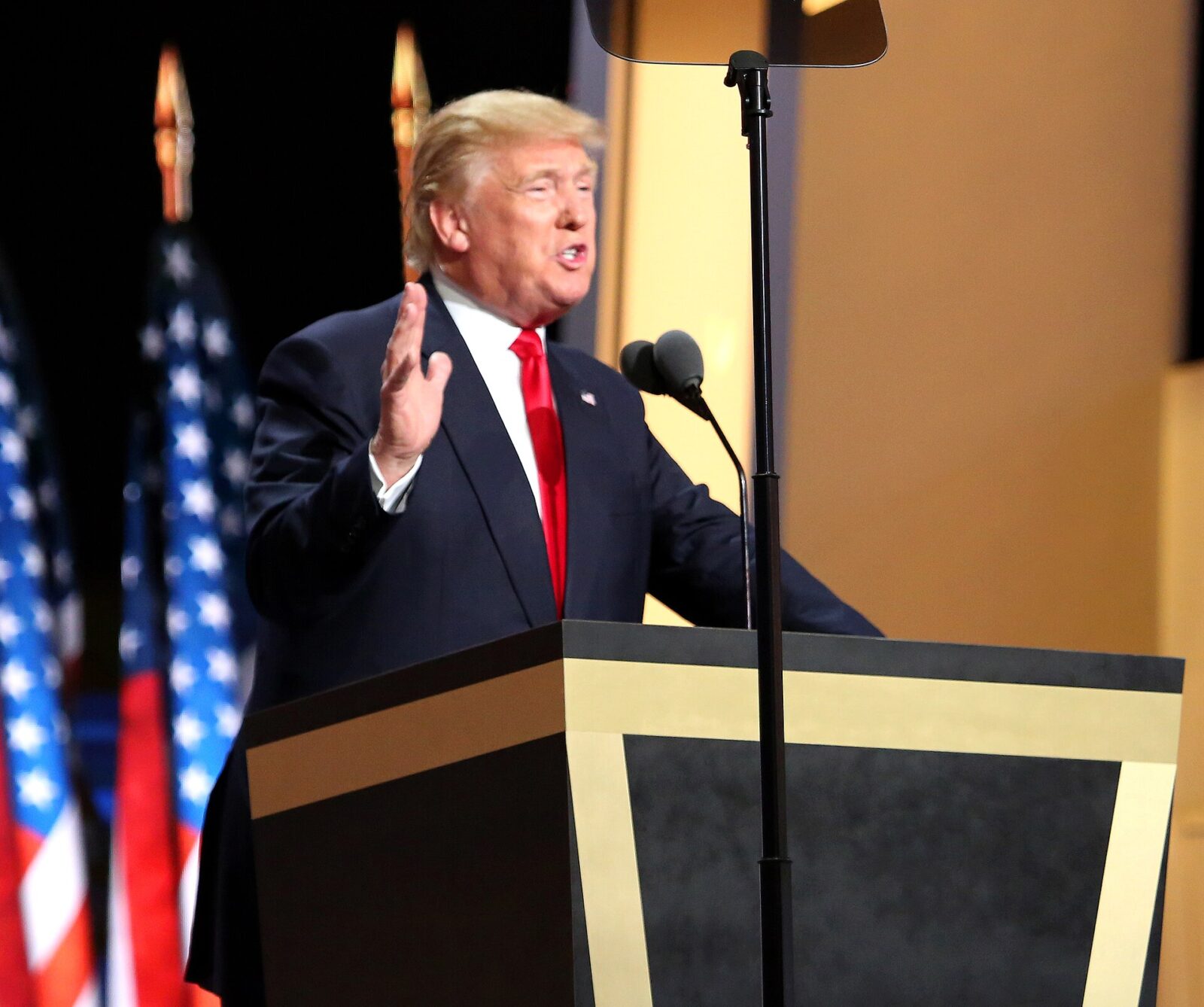
US President Donald Trump said he rejected an Iranian proposal to reopen the Strait of Hormuz, as the United States intensifies economic pressure on Tehran by targeting banks and airlines. The comment came on Saturday, September 26, when Trump spoke to reporters as he left the White House, according to Nairametrics.
Trump told reporters the offer would have led to the immediate reopening of the strategic waterway. He said he turned it down because, in his view, Iran was seeking a deal while under “mounting economic and military pressure.” “They made a proposal but I rejected it,” he said, adding, “They want to make a deal where they open the strait immediately because they’re losing so badly,” Nairametrics reported.
The development follows a stepped up US campaign to curtail Iran’s access to international financial and aviation networks. Treasury Secretary Scott Bessent, writing on X, described the effort as Operation Economic Outcast and listed recent actions by other states and firms. “Türkiye and Oman announced the cessation of Mahan Air flights to their countries. The UAE has halted all flights by Iranian airlines, and top commercial banks in the UAE and Türkiye have stopped transacting with Iran,” Bessent said, according to Nairametrics.
Bessent added that the Treasury would continue to work with the United Kingdom, Türkiye, Oman and the United Arab Emirates to increase pressure on Tehran and that more action was needed to counter what he described as Iran’s “terrorist agenda,” Nairametrics reported.
The measures build on an announcement by Trump on August 20, described in the Nairametrics report, in which he said the United States was pursuing what he called “economic warfare” against Iran. Trump warned that countries, businesses and financial institutions that continued providing economic support to Tehran could face consequences from Washington. He specifically called for an end to activities such as oil smuggling, financial swap arrangements, cash transfers, exchange-house transactions, ship registrations and use of front companies to support Iran.
Market reaction has been visible in oil prices, Nairametrics said. The report noted Brent crude rose by more than 3 percent to a session high above $106 per barrel, while West Texas Intermediate traded around $94 per barrel.
Nairametrics also linked the confrontation around the Strait of Hormuz to higher fuel costs in Nigeria. The outlet reported that as crude prices moved above $100 per barrel, petrol prices in several Nigerian markets rose to around N1,400 to N1,450 per litre, and estimated petrol import-parity costs increased.
The Nairametrics account provided the timeline and quotations in this article. Read the full report on Nairametrics: https://nairametrics.com/2026/09/27/trump-rejects-iran-offer-as-us-led-economic-pressure-hits-banks-and-airlines.
Featured image: Ali Shaker/VOA via Wikimedia Commons, Public domain.












Leave a comment