


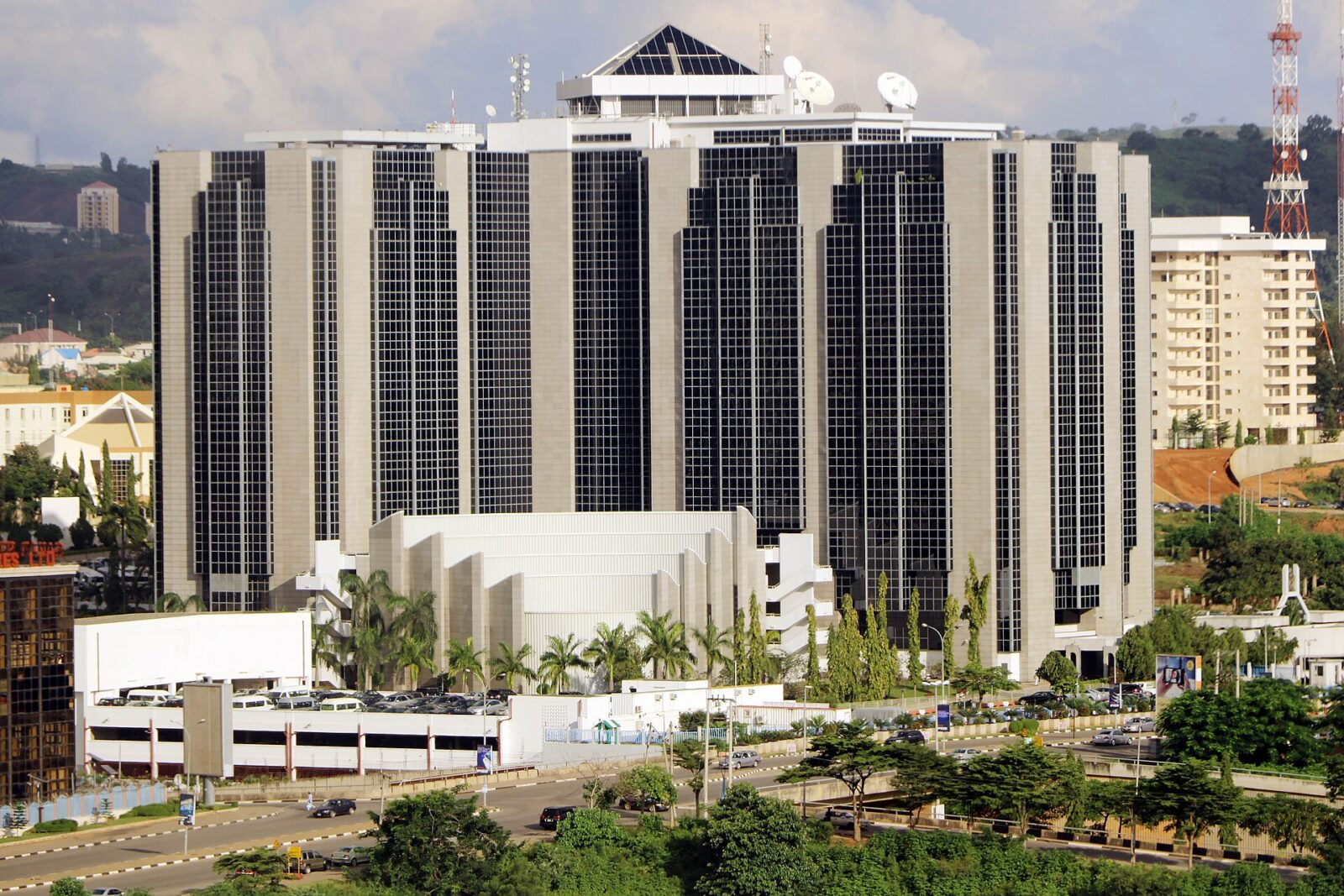
Turnover on the Nigerian Foreign Exchange Market fell 17.7% week on week to $2.25 billion in the week ended September 25, 2026, according to data reported by Nairametrics from the Central Bank of Nigeria (S1).
The decline extended a two week slide in NFEM activity, falling from $2.74 billion the previous week and down from $3.16 billion in the week ended September 18, Nairametrics reported (S1).
The week saw variation in daily volumes. The highest reported daily turnover during the month occurred on September 15 at $777.58 million, while September 21 recorded the lowest NFEM turnover at $335.51 million. Other reported daily figures included $694.58 million on September 22, $732.45 million on September 23 and $492.11 million on September 24. Nairametrics said the CBN had not reported NFEM turnover for Friday, September 25, though interbank transactions that day were $111.06 million (S1).
Total NFEM turnover for September 1 to 25 reached approximately $13.58 billion, Nairametrics reported, placing activity for the month already above August’s full-month total of $12.54 billion (S1).
The decline in market turnover came in the same week the Central Bank of Nigeria reduced its Monetary Policy Rate by 350 basis points, to 23% from 26.5%, after the 307th Monetary Policy Committee meeting held on September 21 and 22, Nairametrics reported (S1).
The naira traded in a narrow band during the week, with the official rate between N1,325 and N1,336 to the dollar. The currency closed at N1,330 on September 25, compared with N1,329 at the end of the prior week. Nairametrics reported the weighted average rate moved from N1,329.80 on September 21 to N1,329.51 on September 25, after briefly falling to N1,327.78 on September 22 (S1).
Improved foreign-exchange liquidity and higher external reserves were cited by Nairametrics as part of the background to the CBN’s decision. The outlet reported that Nigeria’s external reserves crossed $55 billion, the highest level in more than 18 years, and that headline inflation had moderated to 15.39% in August from 15.43% in July, figures referenced in the same report (S1).
Featured image: GodwinPaya via Wikimedia Commons, CC BY-SA 4.0.











Leave a comment